
Cambridge Roundtable Showcase
Join Cambridge Pavers for an exclusive Round Table Showcase designed for hardscape professionals who want to grow smarter and sell with confidence. This in person
Gardening in Massachusetts means working with four very different seasons, each offering unique opportunities to grow beautiful flowers and fresh food. Knowing what to plant and when helps your garden thrive year-round. Whether you’re planting summer blooms, prepping your soil in spring, or choosing vegetables for early harvest, following a seasonal guide ensures healthy, colorful results.
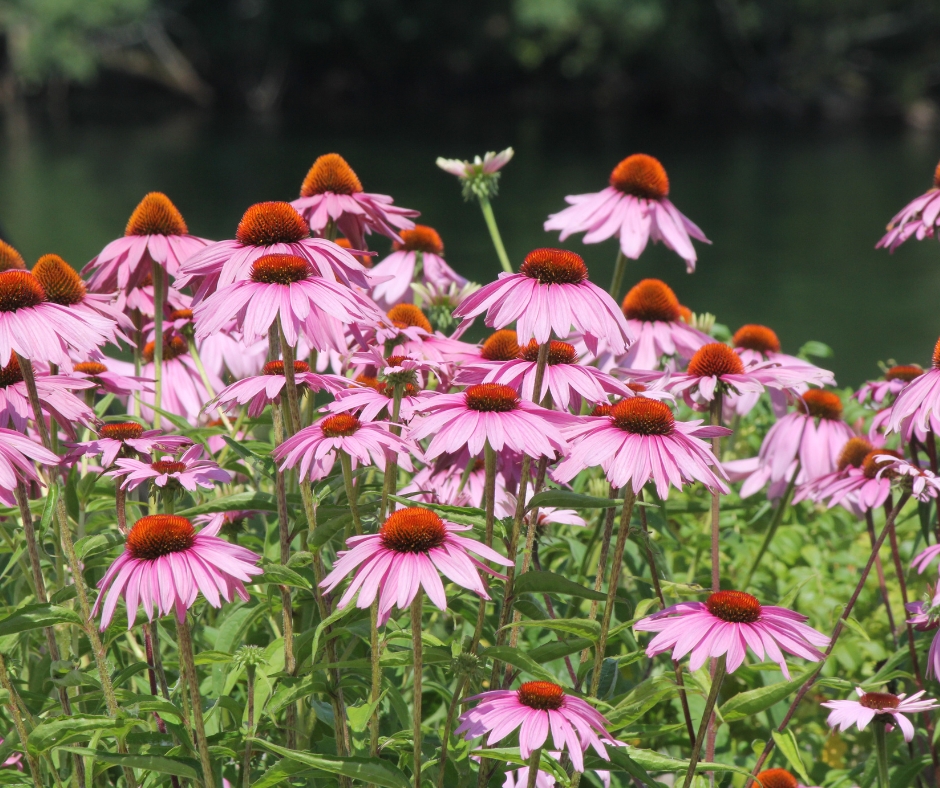
Massachusetts summers can get hot and humid, so it’s important to choose flowers that can handle the heat and keep blooming. Some popular choices include coneflowers, black-eyed Susans, zinnias, and marigolds. These flowers are not only heat-tolerant but also attract pollinators like bees and butterflies, which help your garden grow.
You can plant summer flowers once the risk of frost has passed, usually in late May. Make sure to water them deeply a couple of times a week rather than lightly every day. Adding mulch around the plants helps keep the soil moist and cool. These blooms will keep your garden colorful all season long.

Getting your garden ready in early spring sets the stage for a healthy and productive season. Start by cleaning up any dead plants, leaves, or branches left over from winter. Then, loosen the soil using a rake or shovel and mix in compost to give your plants the nutrients they need.
It’s also smart to:
Test your soil pH levels
Sharpen and clean your garden tools
Make a planting plan so you know what goes where
Doing this in late March or early April means you’ll be ready to plant as soon as the weather allows.
Spring is a great time to grow cool-weather vegetables that do well in Massachusetts’ climate. Some top picks include lettuce, spinach, peas, broccoli, and radishes. These veggies can be planted as soon as the ground thaws and dries out a bit, often in April.
Start with seeds or young plants from a local nursery. Raised beds help the soil warm up faster, and using row covers protects against late frosts. These early crops will grow quickly and can often be harvested before the heat of summer arrives.

Native plants are a smart choice for Massachusetts gardens because they’re already adapted to the local climate and soil. In spring, look for columbine and wild geranium. For summer color, purple coneflower, bee balm, and blazing star are excellent choices. In the fall, New England aster and goldenrod add beauty and support late-season pollinators.
Benefits of planting native species include:
Less need for fertilizers and watering
Better support for local birds and insects
More resistance to local pests and diseases
Planting native flowers and shrubs in each season helps create a low-maintenance, thriving garden.
With the right timing and plant choices, your Massachusetts garden can flourish in every season. Focus on strong, seasonal flowers, prep your beds in spring, and choose vegetables and native plants suited to the local climate. Using a seasonal approach not only makes gardening easier but also supports a more vibrant and sustainable landscape. For more planting tips and resources, check out Website link..
Join Cambridge Pavers for an exclusive Round Table Showcase designed for hardscape professionals who want to grow smarter and sell with confidence. This in person

Screened Loam, fill, and garden soil are not the same, even though they all look like dirt. Screened Loam is clean topsoil that is great

If you’re searching for a trusted local resource to help you improve your outdoor space, Southridge Farm & Nursery in Walpole offers everything you need
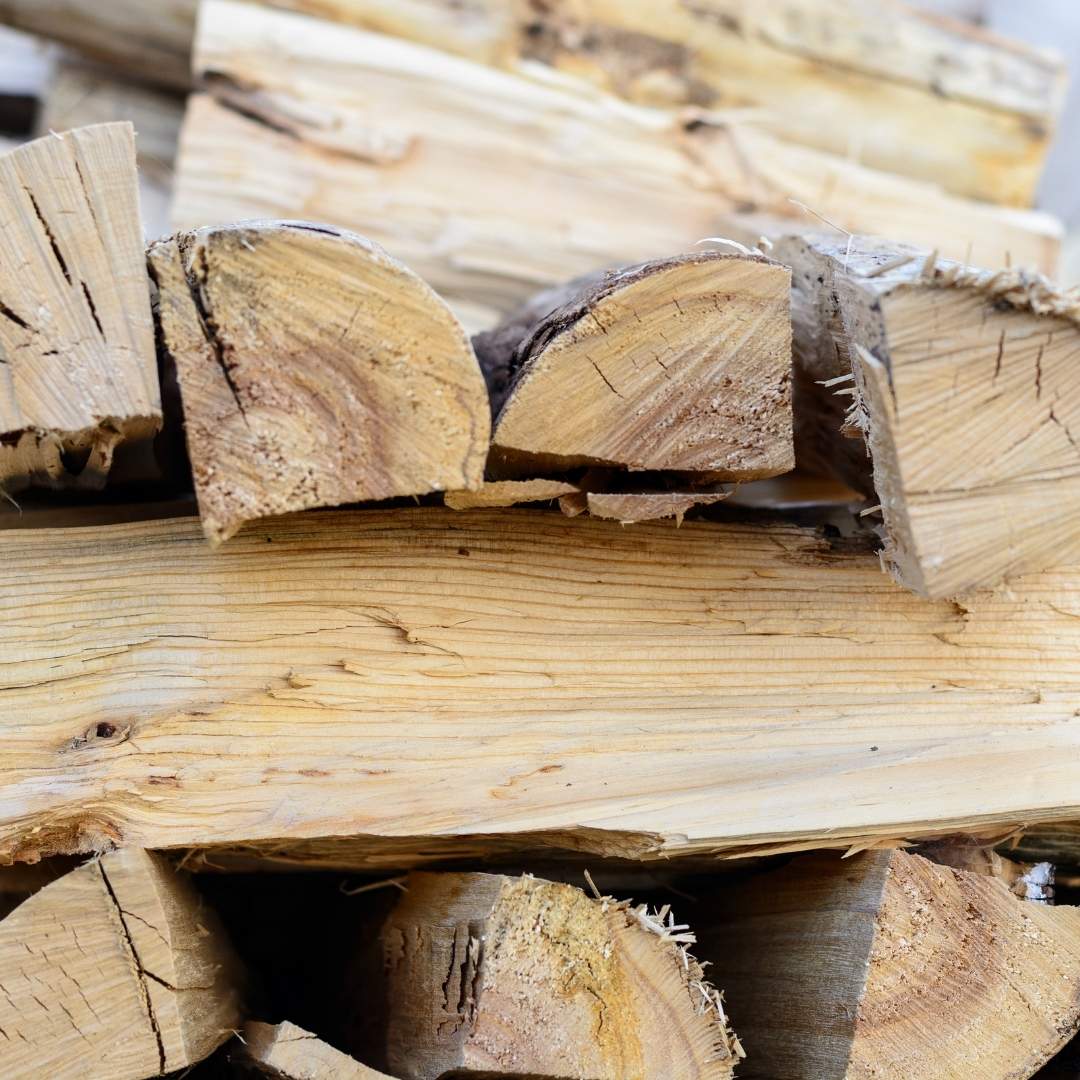
Kiln dried firewood is the best choice because it lights fast, burns hot, and keeps your home cleaner. It has less water inside the wood.
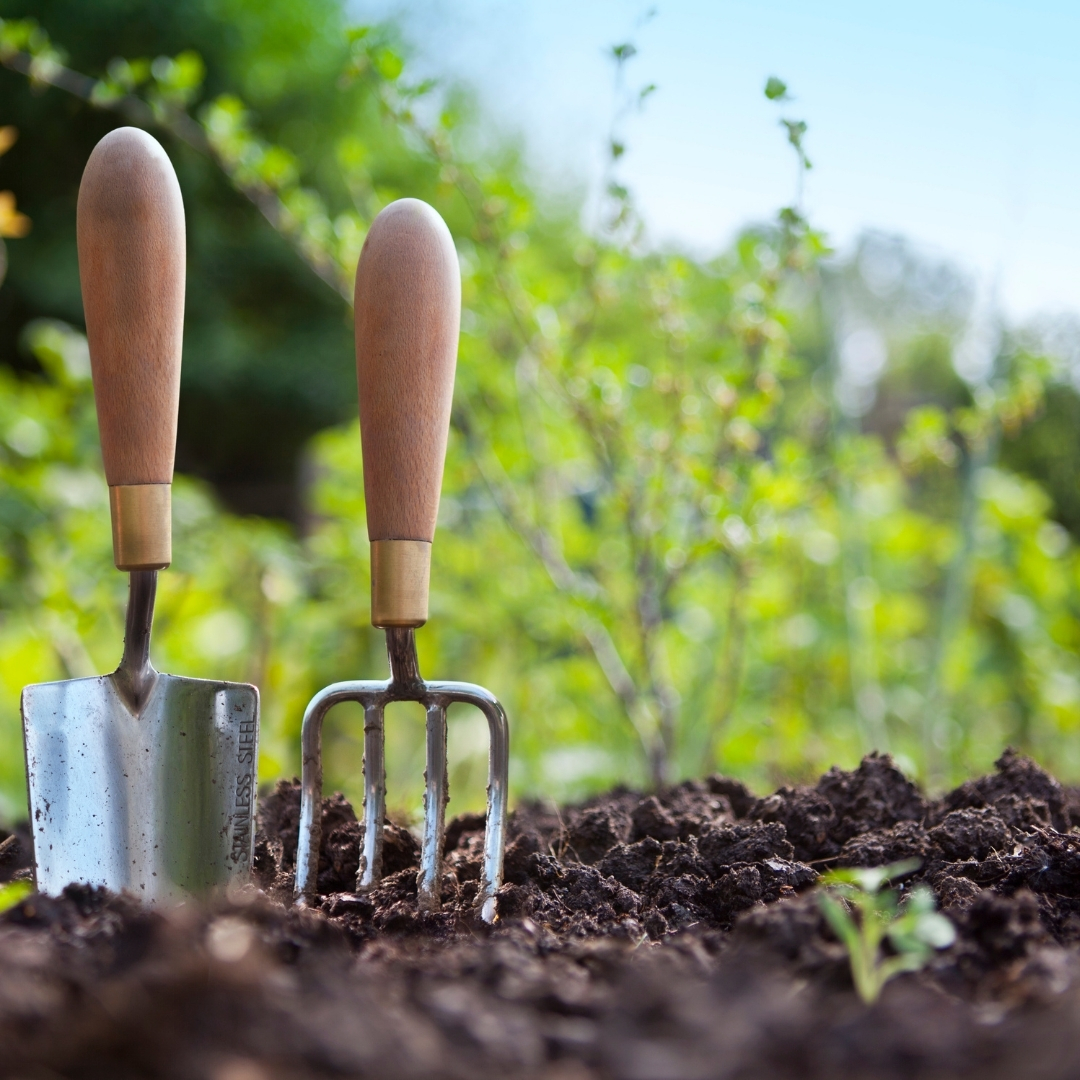
Fall in Massachusetts is a critical time for gardening—get it right, and you’ll set up a beautiful and healthy garden for spring. In this post,
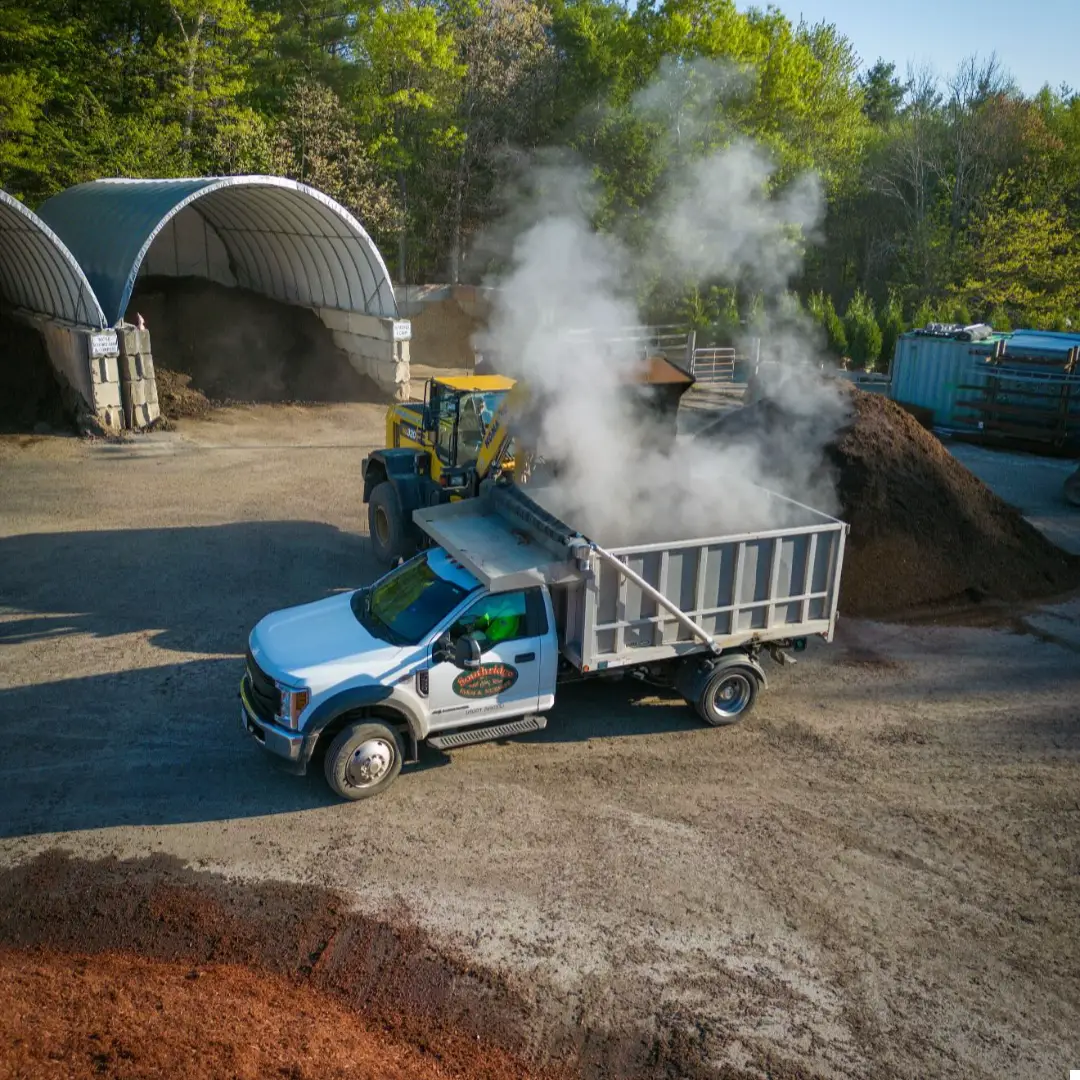
The right mulch can make a big difference in how your garden grows. Mulch helps keep soil moist, controls weeds, and adds beauty to your

Decorative stone pathways bring beauty and purpose to any yard. They’re a simple way to boost curb appeal while making outdoor areas more enjoyable and

Choosing the right stone for your landscaping project starts with knowing your space, your style, and what each type of stone is best used

5 Mulching Mistakes That Could Hurt Your Yard (And How to Avoid Them) Mulch helps your yard look nice and keeps plants healthy. It holds

Welcome to Mama’s Place at Southridge Farm & Nursery in Walpole, Massachusetts! If you’re looking for a cozy spot filled with the latest décor trends,

When it comes to firewood for heating your home or creating a cozy outdoor fire pit, choosing the right type of wood makes a big

As winter sets in, many homeowners in Walpole, MA, and surrounding areas turn to their fireplaces or wood stoves to create a warm and cozy

At Southridge Farm & Nursery, we understand that healthy soil is the foundation of any thriving landscape. Whether you’re maintaining a beautiful garden, planting trees

Kiln-dried firewood is a preferred choice for many homeowners, particularly during the colder months. Not only does it provide a cleaner, more efficient burn, but

Mulching is one of the most effective gardening techniques for maintaining a healthy, vibrant garden. It serves numerous purposes, including conserving moisture, suppressing weeds, and

As the seasons change and the cool air begins to set in, many of us turn to the comforting warmth of a crackling fire. At

As the crisp air of autumn settles in and leaves begin to fall, gardeners everywhere prepare for the transition from the vibrant growing season to

Massachusetts winters are known for their harsh cold, heavy snowfall, and biting winds. For homeowners across the state, finding an efficient and reliable heating source

In the world of landscaping, the right materials can transform a simple yard into a stunning oasis. However, sourcing and transporting these materials can be

When it comes to maintaining a vibrant and healthy garden, mulch plays a crucial role that goes beyond mere aesthetics. At Southridge Farm & Nursery,

Designing a garden that delights the senses and transforms outdoor spaces into havens of beauty and tranquility requires careful consideration of the plants you choose.
Mulch is more than just a decorative addition to your garden – it’s a vital component that plays a significant role in promoting plant health

When it comes to sourcing bulk landscape materials like mulch, stone, soils, and sand in Massachusetts, convenience is key. Our delivery service caters to homeowners