
Cambridge Roundtable Showcase
Join Cambridge Pavers for an exclusive Round Table Showcase designed for hardscape professionals who want to grow smarter and sell with confidence. This in person
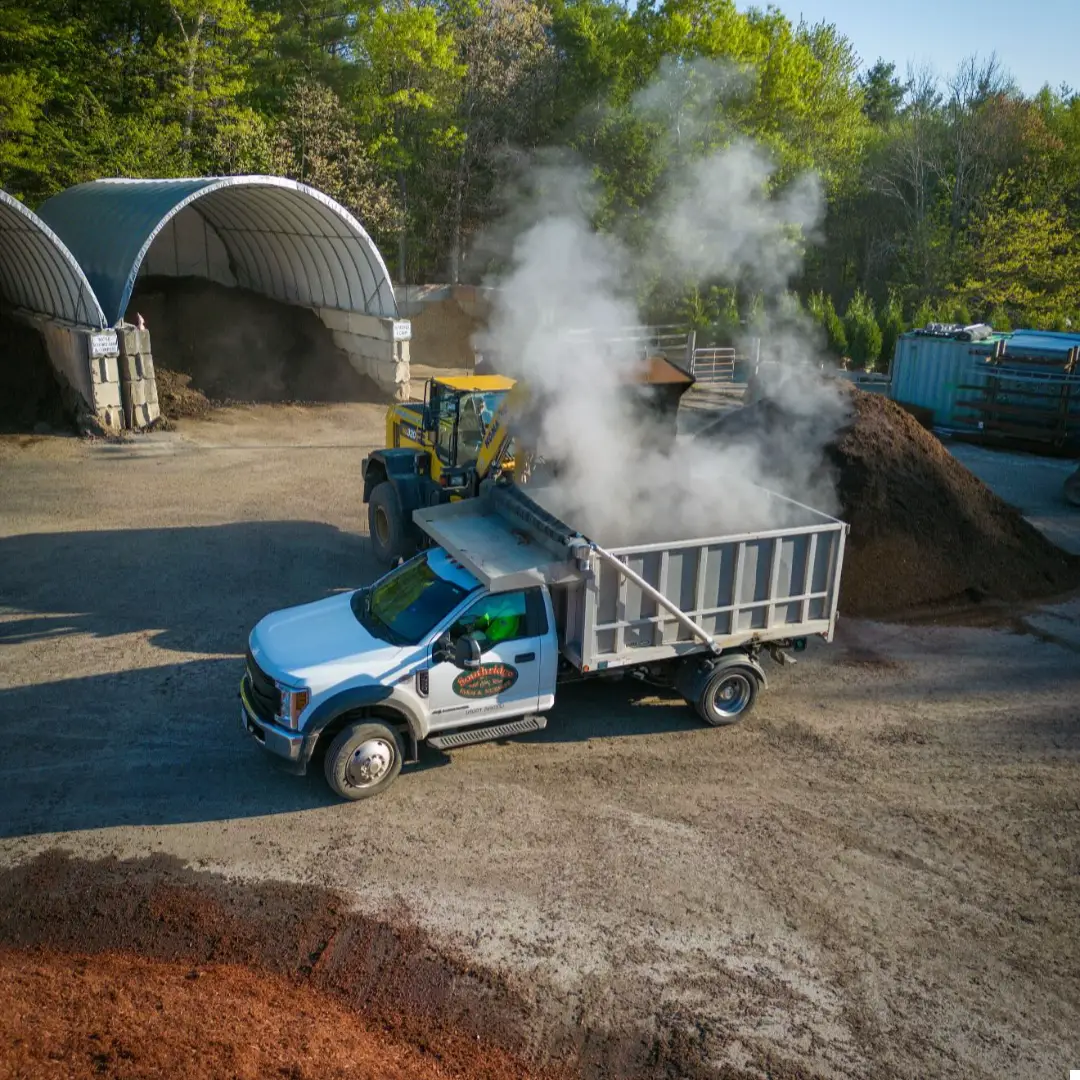
The right mulch can make a big difference in how your garden grows. Mulch helps keep soil moist, controls weeds, and adds beauty to your garden beds. At Southridge Farm & Nursery, we offer a wide range of mulch options to fit different soil types, plant needs, and landscape styles. Let’s look at how to choose the best mulch for your garden.
Flower beds and vegetable gardens have different needs. Flower beds often benefit from mulch that adds color and improves curb appeal, while vegetable gardens do best with mulch that feeds the soil.
Choosing the right mulch for each type of garden will keep your plants healthier and more productive.

Mulch is like a blanket for your garden. It keeps the soil cooler in the summer and warmer in the winter. It also helps hold in moisture, so your plants don’t dry out too quickly.
If you want to save water and help plants thrive during hot summers, mulch is one of the best tools you can use.
Not all soils are the same, and the type of soil in your garden affects which mulch works best.
Southridge Farm & Nursery has mulch choices for every soil type, so your plants get the support they need.
Organic mulch, like bark or wood chips, breaks down over time and feeds your soil. This makes it a great choice for gardens where plant health comes first. Inorganic mulch, like stone or gravel, doesn’t break down but is very low-maintenance.
Southridge Farm & Nursery offers both organic and inorganic mulch options so you can pick what works best for your space.

One of the biggest benefits of mulch is keeping weeds out of your garden beds. A good layer of mulch makes it hard for weeds to grow, which means less work for you.
Southridge Farm & Nursery has all these mulch options in stock so you can keep your garden beds healthy and weed-free.
Choosing the right mulch depends on your plants, soil, and garden goals. Whether you want healthier vegetables, colorful flower beds, or easy weed control, Southridge Farm & Nursery has the mulch to match your needs. Visit Southridge Farm & Nursery to explore our full selection and get expert advice on the best mulch for your garden.
Join Cambridge Pavers for an exclusive Round Table Showcase designed for hardscape professionals who want to grow smarter and sell with confidence. This in person

Screened Loam, fill, and garden soil are not the same, even though they all look like dirt. Screened Loam is clean topsoil that is great

If you’re searching for a trusted local resource to help you improve your outdoor space, Southridge Farm & Nursery in Walpole offers everything you need
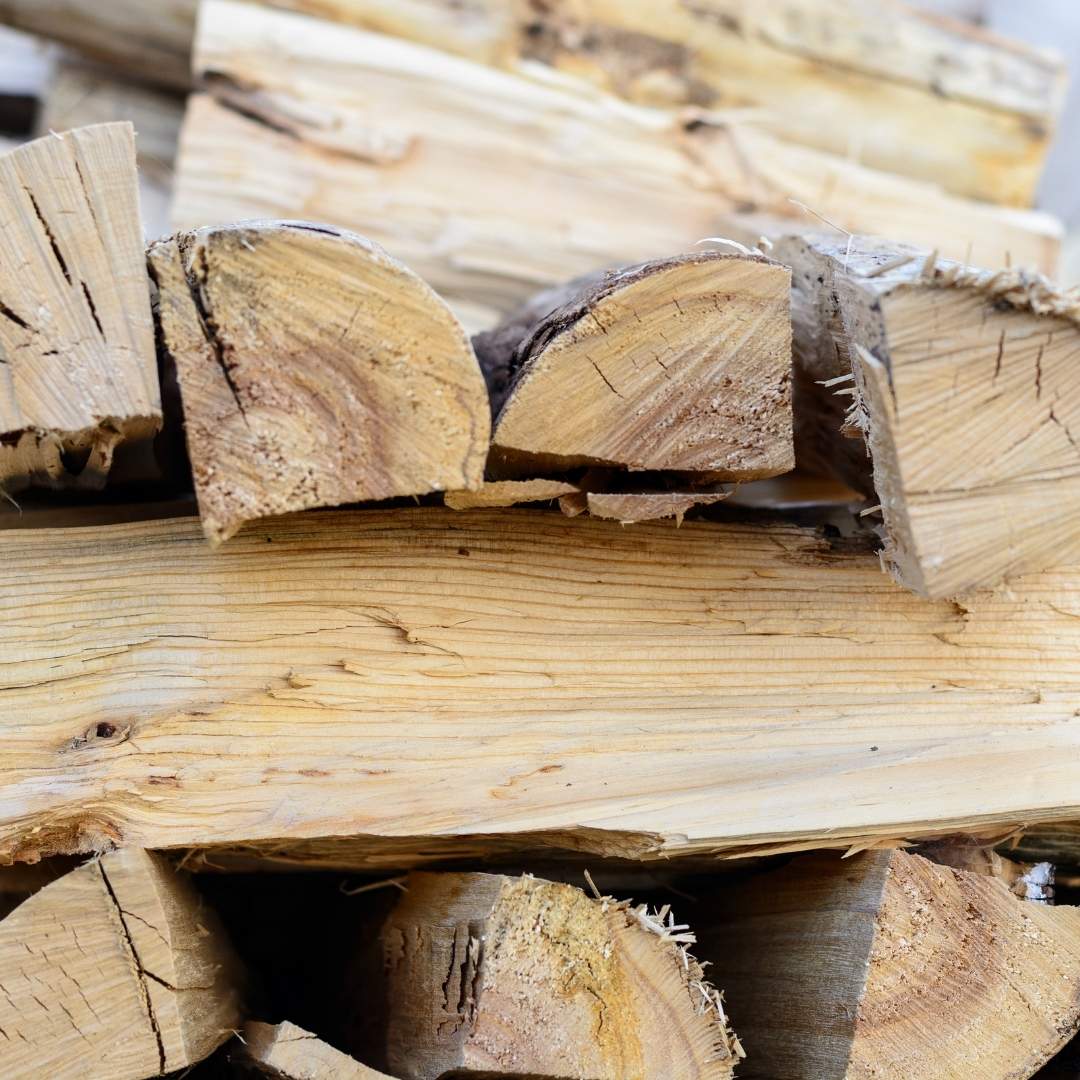
Kiln dried firewood is the best choice because it lights fast, burns hot, and keeps your home cleaner. It has less water inside the wood.
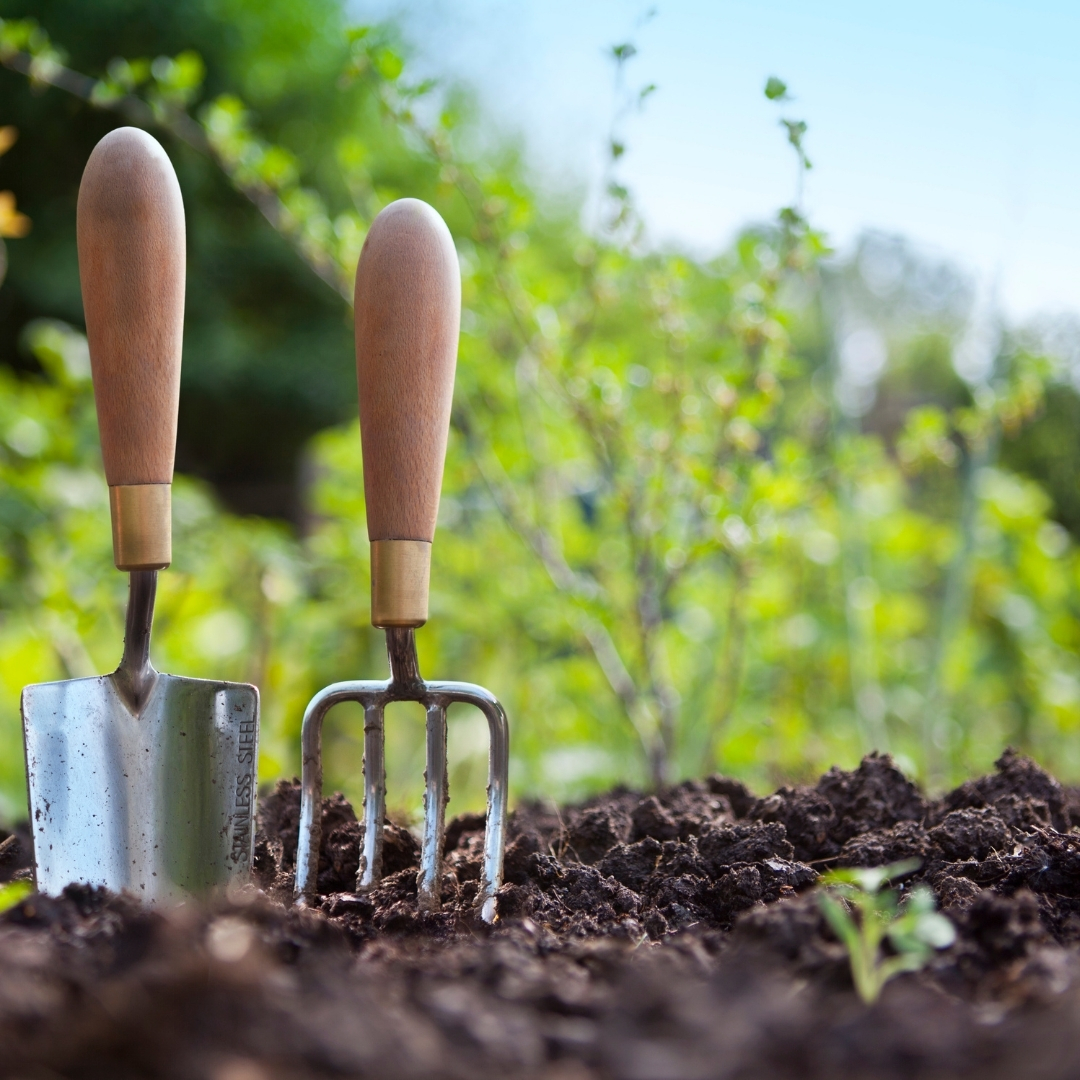
Fall in Massachusetts is a critical time for gardening—get it right, and you’ll set up a beautiful and healthy garden for spring. In this post,

Decorative stone pathways bring beauty and purpose to any yard. They’re a simple way to boost curb appeal while making outdoor areas more enjoyable and
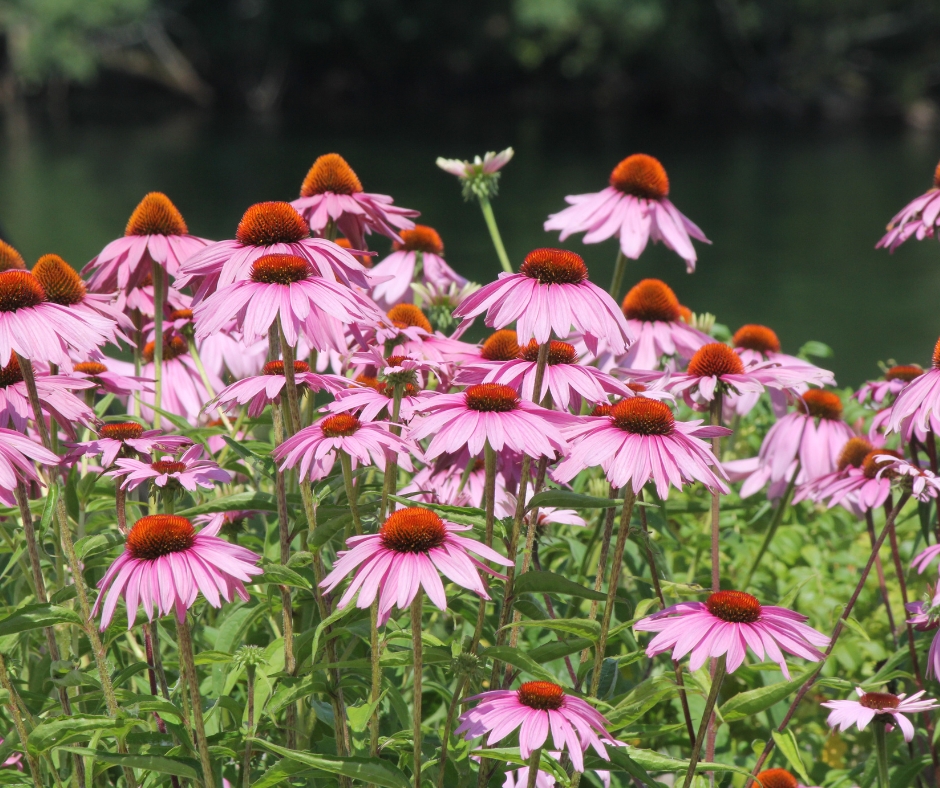
Gardening in Massachusetts means working with four very different seasons, each offering unique opportunities to grow beautiful flowers and fresh food. Knowing what to plant

Choosing the right stone for your landscaping project starts with knowing your space, your style, and what each type of stone is best used

5 Mulching Mistakes That Could Hurt Your Yard (And How to Avoid Them) Mulch helps your yard look nice and keeps plants healthy. It holds

Welcome to Mama’s Place at Southridge Farm & Nursery in Walpole, Massachusetts! If you’re looking for a cozy spot filled with the latest décor trends,

When it comes to firewood for heating your home or creating a cozy outdoor fire pit, choosing the right type of wood makes a big

As winter sets in, many homeowners in Walpole, MA, and surrounding areas turn to their fireplaces or wood stoves to create a warm and cozy

At Southridge Farm & Nursery, we understand that healthy soil is the foundation of any thriving landscape. Whether you’re maintaining a beautiful garden, planting trees

Kiln-dried firewood is a preferred choice for many homeowners, particularly during the colder months. Not only does it provide a cleaner, more efficient burn, but

Mulching is one of the most effective gardening techniques for maintaining a healthy, vibrant garden. It serves numerous purposes, including conserving moisture, suppressing weeds, and

As the seasons change and the cool air begins to set in, many of us turn to the comforting warmth of a crackling fire. At

As the crisp air of autumn settles in and leaves begin to fall, gardeners everywhere prepare for the transition from the vibrant growing season to

Massachusetts winters are known for their harsh cold, heavy snowfall, and biting winds. For homeowners across the state, finding an efficient and reliable heating source

In the world of landscaping, the right materials can transform a simple yard into a stunning oasis. However, sourcing and transporting these materials can be

When it comes to maintaining a vibrant and healthy garden, mulch plays a crucial role that goes beyond mere aesthetics. At Southridge Farm & Nursery,

Designing a garden that delights the senses and transforms outdoor spaces into havens of beauty and tranquility requires careful consideration of the plants you choose.
Mulch is more than just a decorative addition to your garden – it’s a vital component that plays a significant role in promoting plant health

When it comes to sourcing bulk landscape materials like mulch, stone, soils, and sand in Massachusetts, convenience is key. Our delivery service caters to homeowners