
Cambridge Roundtable Showcase
Join Cambridge Pavers for an exclusive Round Table Showcase designed for hardscape professionals who want to grow smarter and sell with confidence. This in person
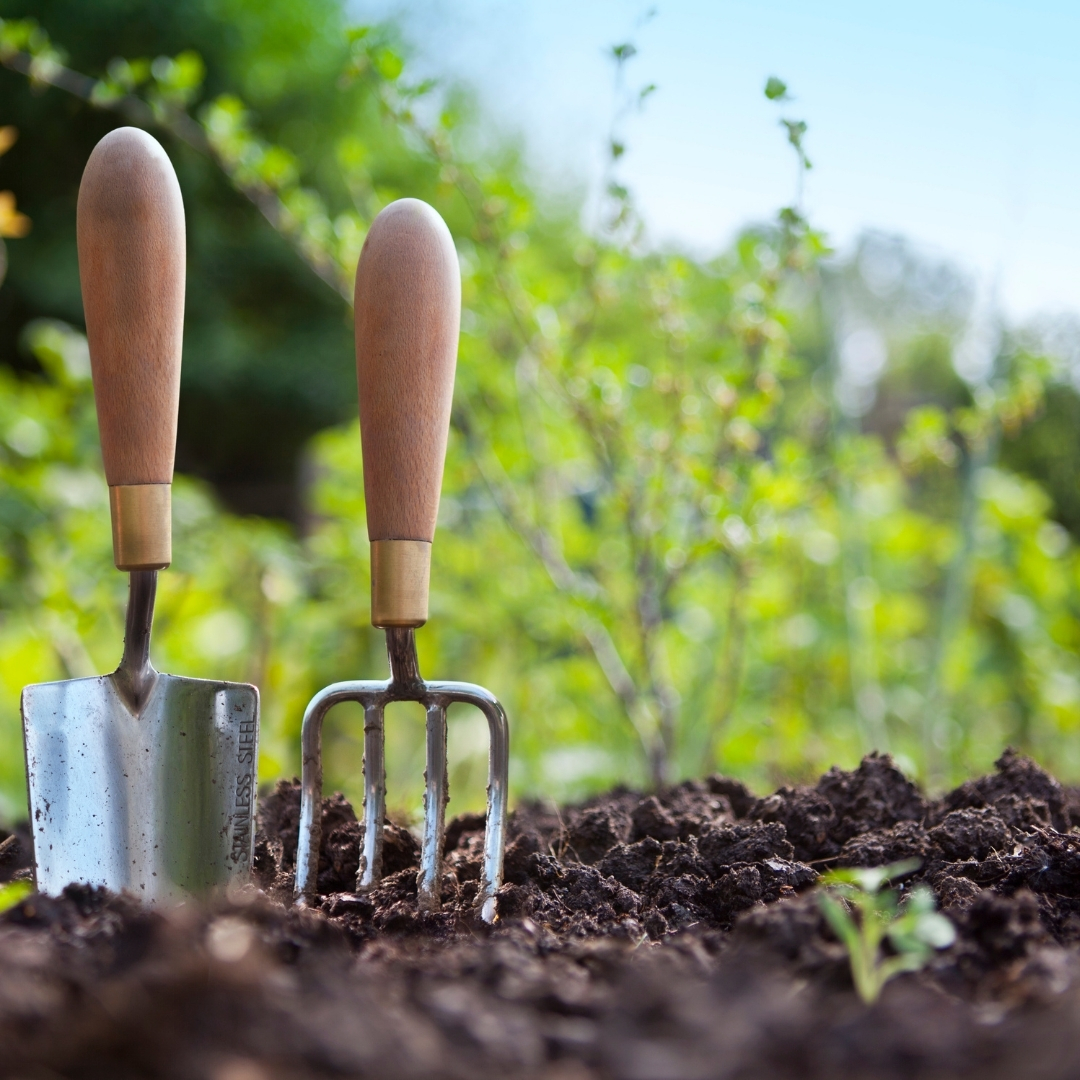
Fall in Massachusetts is a critical time for gardening—get it right, and you’ll set up a beautiful and healthy garden for spring. In this post, you’ll learn how to avoid common fall gardening mistakes like planting too late, skipping soil testing, overlooking leaf cleanup, using the wrong fertilizer for cooler weather, and leaving dead annuals unremoved. These simple tips can make a big difference in your garden’s health—read on to prepare your yard the Southridge way!
Mistiming your fall planting is a frequent issue. Planting too late risks frost damage, while planting too early can leave roots vulnerable to cold slump. Aim to plant hardy perennials and shrubs 4–6 weeks before your typical first frost date, giving them time to establish strong roots.
For more on what to plant in each season and when, check out our MA Seasonal Planting Guide. Linking your planting schedule with this guide ensures your garden thrives.
Waiting too long to plant in autumn can be just as damaging as planting too early. When roots don’t have enough time to grow, plants arrive unprepared for winter and may struggle in spring. To avoid this, stick to cooler-adapted species and allow a few weeks before permanent frost. Southridge Farm stocks a variety of fall-hardy plants—visit us soon to pick out the right ones for your garden.
Leaving fallen leaves on your lawn or garden doesn’t just look messy—it can block sunlight, encourage fungal disease, and smother young plants. Clear leaves regularly and compost them instead—Southridge transforms leaves into nutrient-rich compost and screened loam that you can use to enrich your soil. Learn more about how we turn yard waste into quality products in our About Us page.

In fall, your plants’ nutrient needs shift toward survival, not growth. Avoid high-nitrogen fertilizers that encourage shaky late-season growth. Instead, choose a balanced or low-nitrogen mix to promote root development and hardiness. Southridge offers plant-specific fertilizers suitable for fall conditions.

Dead annuals and spent veggies left in the ground can harbor pests and disease. Remove and dispose of them or add them to your compost pile—Southridge’s homemade compost is perfect for turning old plant material into nutrient-packed soil amendment. This cleanup also clears space for effective winter mulch, helping your garden beds breathe and prepare for spring planting.
Avoiding these five fall gardening mistakes—planting timing errors, leaf neglect, inappropriate fertilizing, and ignoring spent plants—will set your Massachusetts garden up for a stronger spring. Ready to do it right? Stop by Southridge Farm & Nursery for compost, mulch, soil testing advice, fall-appropriate fertilizers, and locally adapted plant options. Let’s prep your garden today for tomorrow’s blooms!
Join Cambridge Pavers for an exclusive Round Table Showcase designed for hardscape professionals who want to grow smarter and sell with confidence. This in person

Screened Loam, fill, and garden soil are not the same, even though they all look like dirt. Screened Loam is clean topsoil that is great

If you’re searching for a trusted local resource to help you improve your outdoor space, Southridge Farm & Nursery in Walpole offers everything you need
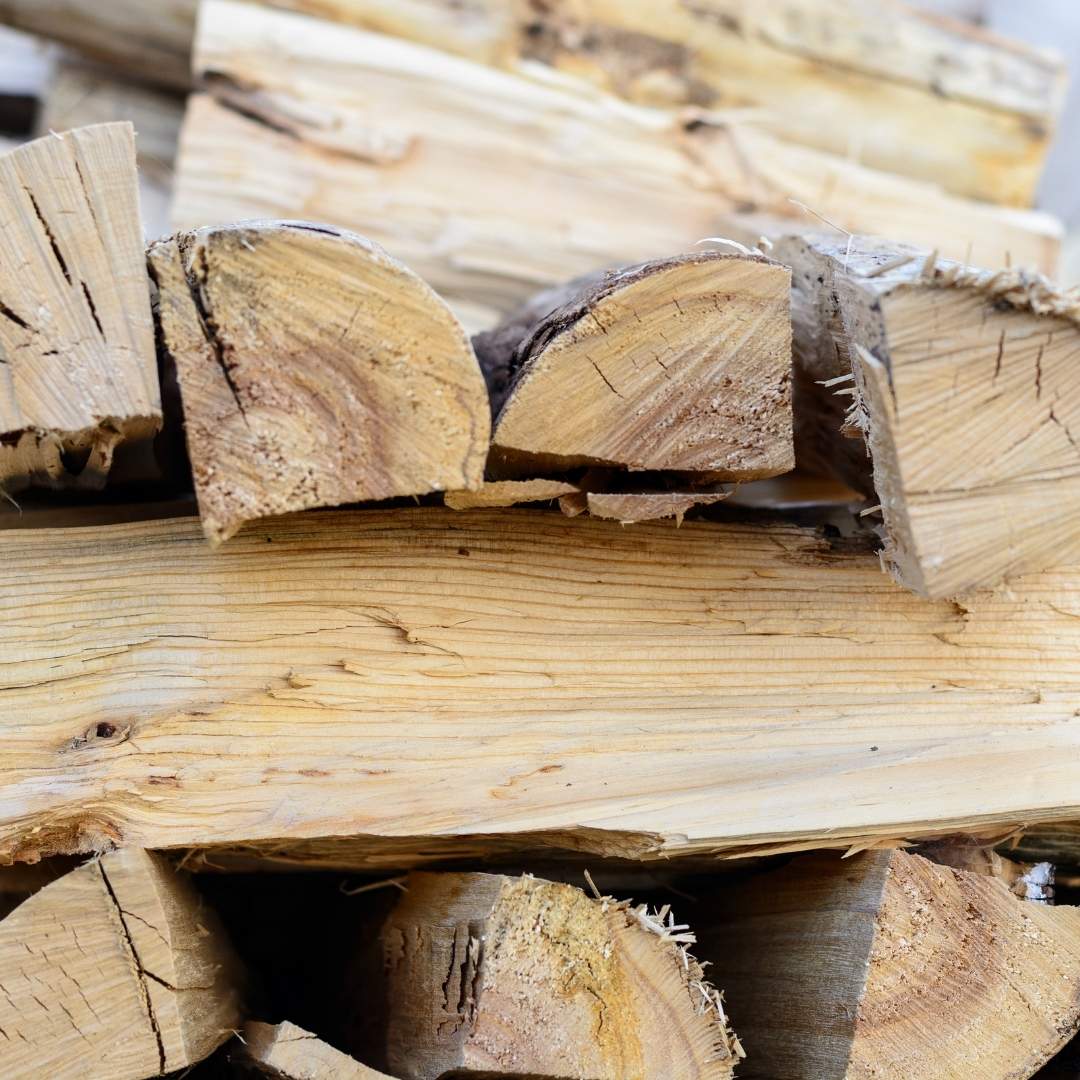
Kiln dried firewood is the best choice because it lights fast, burns hot, and keeps your home cleaner. It has less water inside the wood.
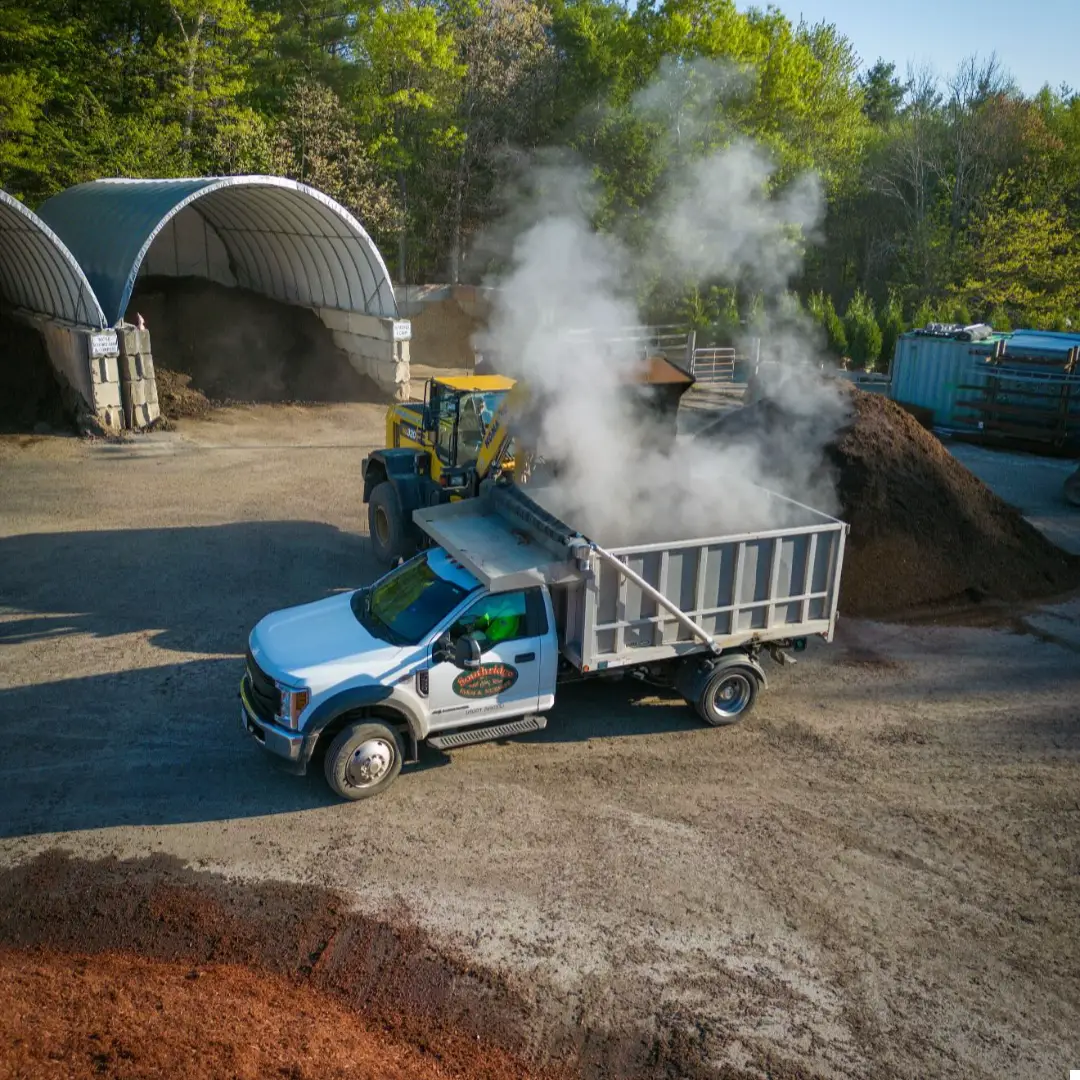
The right mulch can make a big difference in how your garden grows. Mulch helps keep soil moist, controls weeds, and adds beauty to your

Decorative stone pathways bring beauty and purpose to any yard. They’re a simple way to boost curb appeal while making outdoor areas more enjoyable and
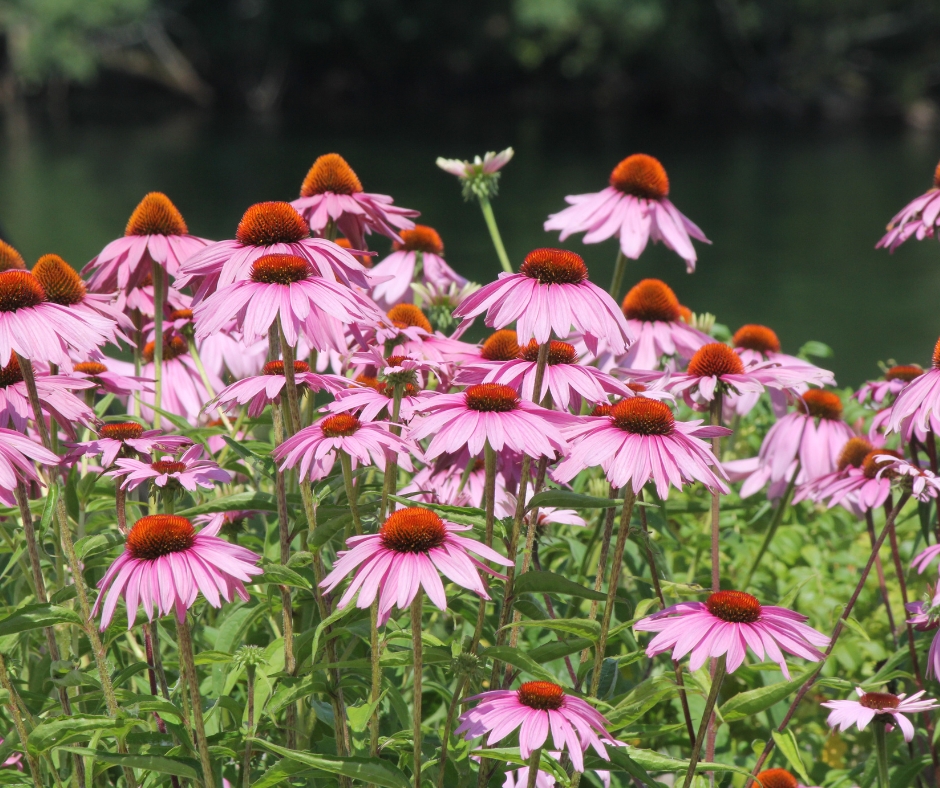
Gardening in Massachusetts means working with four very different seasons, each offering unique opportunities to grow beautiful flowers and fresh food. Knowing what to plant

Choosing the right stone for your landscaping project starts with knowing your space, your style, and what each type of stone is best used

5 Mulching Mistakes That Could Hurt Your Yard (And How to Avoid Them) Mulch helps your yard look nice and keeps plants healthy. It holds

Welcome to Mama’s Place at Southridge Farm & Nursery in Walpole, Massachusetts! If you’re looking for a cozy spot filled with the latest décor trends,

When it comes to firewood for heating your home or creating a cozy outdoor fire pit, choosing the right type of wood makes a big

As winter sets in, many homeowners in Walpole, MA, and surrounding areas turn to their fireplaces or wood stoves to create a warm and cozy

At Southridge Farm & Nursery, we understand that healthy soil is the foundation of any thriving landscape. Whether you’re maintaining a beautiful garden, planting trees

Kiln-dried firewood is a preferred choice for many homeowners, particularly during the colder months. Not only does it provide a cleaner, more efficient burn, but

Mulching is one of the most effective gardening techniques for maintaining a healthy, vibrant garden. It serves numerous purposes, including conserving moisture, suppressing weeds, and

As the seasons change and the cool air begins to set in, many of us turn to the comforting warmth of a crackling fire. At

As the crisp air of autumn settles in and leaves begin to fall, gardeners everywhere prepare for the transition from the vibrant growing season to

Massachusetts winters are known for their harsh cold, heavy snowfall, and biting winds. For homeowners across the state, finding an efficient and reliable heating source

In the world of landscaping, the right materials can transform a simple yard into a stunning oasis. However, sourcing and transporting these materials can be

When it comes to maintaining a vibrant and healthy garden, mulch plays a crucial role that goes beyond mere aesthetics. At Southridge Farm & Nursery,

Designing a garden that delights the senses and transforms outdoor spaces into havens of beauty and tranquility requires careful consideration of the plants you choose.
Mulch is more than just a decorative addition to your garden – it’s a vital component that plays a significant role in promoting plant health

When it comes to sourcing bulk landscape materials like mulch, stone, soils, and sand in Massachusetts, convenience is key. Our delivery service caters to homeowners