When it comes to softwood vs hardwood pellets, softwood pellets usually burn a little hotter and leave less ash, while hardwood pellets often cost less. Both kinds work in most pellet stoves, as long as they are dry and made for home heating. The right pick depends on your stove, your budget, and how cold it is outside. Here’s what the difference means for you.
What Is the Difference Between Softwood and Hardwood Pellets?
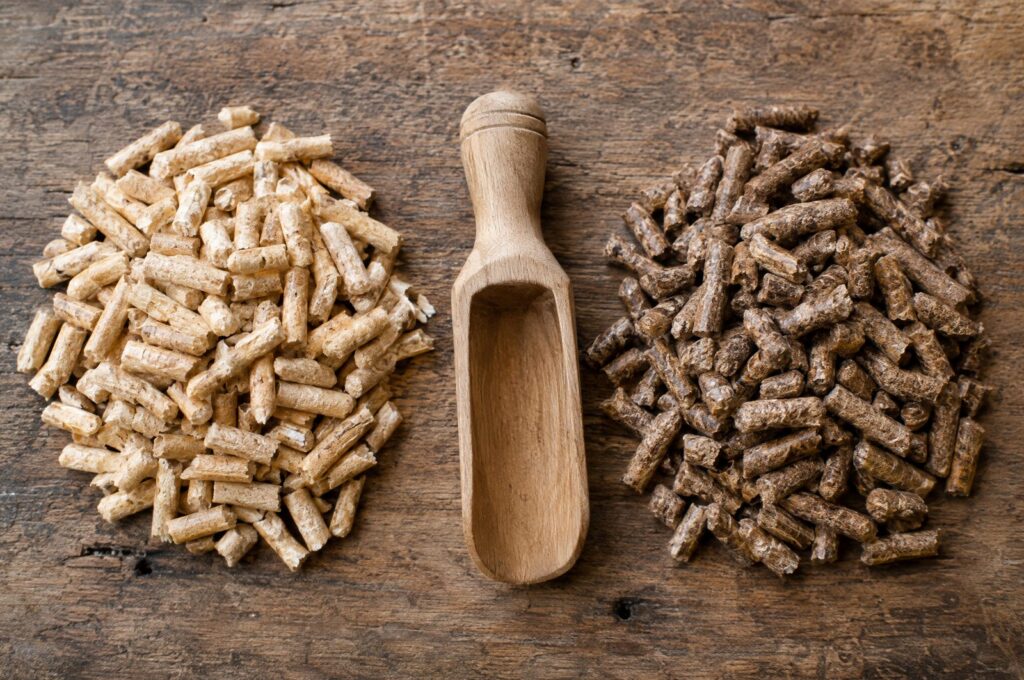
Softwood pellets are made from trees like fir, pine, and spruce. Hardwood pellets are made from trees like oak and maple. Both are made by pressing sawdust very tight into small pellets. Wood has a natural glue called lignin that helps hold each pellet together, and softwood has more of it. Softwood also has more resin, and resin burns hot.
You may have heard that hardwood makes better firewood, and for logs that is often true. Hardwood logs are heavier, so they burn longer. Pellets are different, because all pellets are pressed to about the same tightness. That is why the extra lignin and resin in softwood can give it a small edge in a pellet stove.

Softwood vs Hardwood Pellets: Pros and Cons
Here is how the two compare. Neither one is right for every home. The quality of the pellet matters as much as the type of wood.
Softwood pellets
- Often burn a little hotter
- Often leave less ash, so you clean the stove less
- Usually cost more per ton
Hardwood pellets
- Often cost less per ton
- Work well in fall and spring, when you need less heat
- Can leave more ash, depending on the brand
Ash depends a lot on how clean the wood was at the mill, not just the type of tree. Look at the bag or the product page for the ash amount and the heat rating, called BTUs. Lower ash means less cleaning and fewer clogs. Higher BTUs means more heat from each pound.
Which Pellets Do We Carry?
At Southridge Farm & Nursery, both of the pellets we sell are softwood. Each one comes 50 bags to a ton, delivered on one skid. Here is how they compare:
- Wood Pellets: 100% softwood from a mill in Canada, about 8,000 BTUs per pound, $399 a ton
- Northern Warmth Douglas Fir: 100% coastal Oregon Douglas fir, up to 9,000 BTUs per pound, ash of about 0.10% to 0.15%, $590 a ton
Some people burn a lower cost pellet in the fall and spring, then switch to a hotter pellet for the coldest weeks. That way they save money when the stove runs less and get more heat when they need it most. Always check your stove’s manual too, since some stoves list the pellets they work best with.
Conclusion
Softwood pellets often burn hotter with less ash, and hardwood pellets often cost less. For the coldest part of a Massachusetts winter, a hotter softwood pellet can help. Whatever you pick, look for dry pellets with a low ash number and a high BTU rating. You can see both of our pellets and order delivery here, or ask our team which one fits your stove.